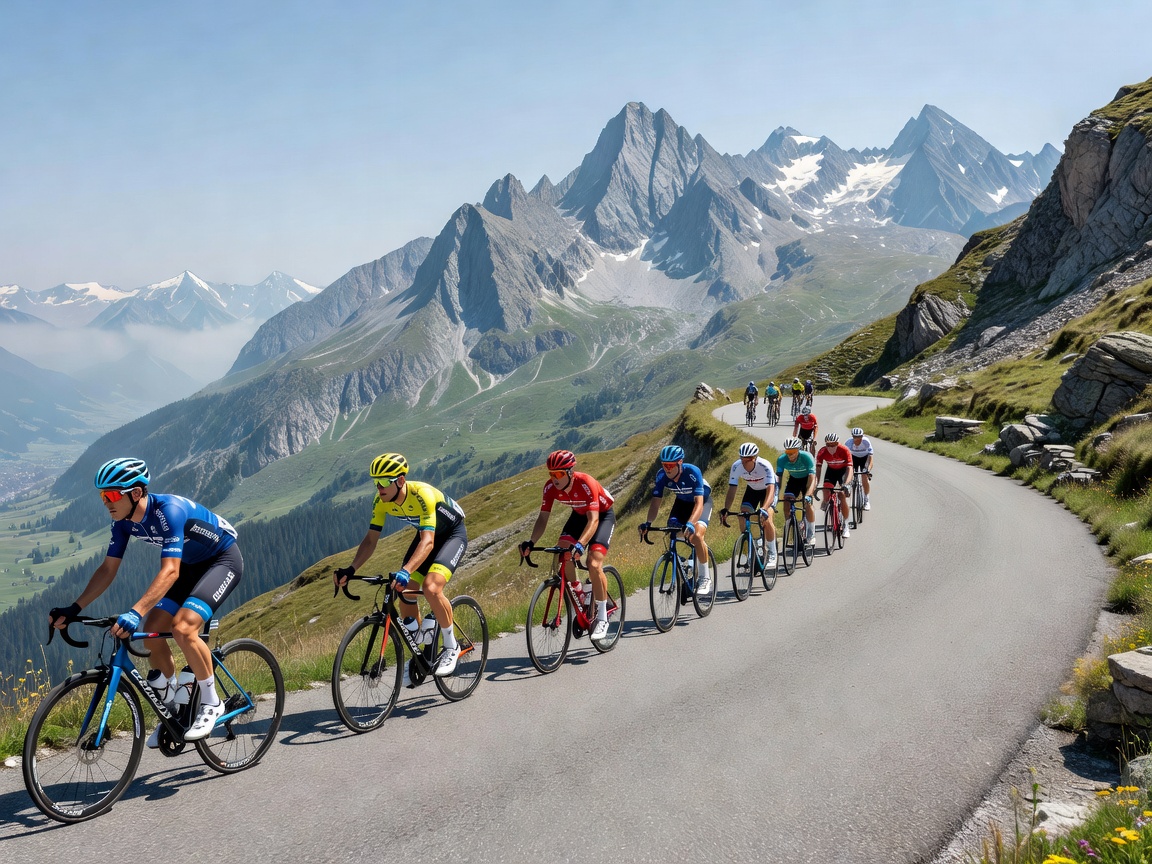
Road cycling camps can offer a useful block of shared riding, exploration and structured training. They can also become unnecessarily complicated when every day is planned as a heroic outing. A good programme respects the riders, the roads and the fact that weather has never read the itinerary.
Terrain and training volume
Flat roads, rolling countryside and mountain climbs create different demands and different moods. When selecting a location, consider how much variety the terrain offers, whether routes can be shortened and how safely the group can move through it. A climbing-focused trip should still have sensible easier options.
Training volume should be discussed in broad terms: daily riding time, elevation, stops and the number of consecutive riding days. The correct amount varies with experience, preparation and the group’s purpose. Avoid treating a published route as a personal prescription.
Group riding and route planning
Group riding benefits from clear expectations. Decide how riders regroup, communicate, manage junctions and respond to mechanical issues. Mixed abilities may need several pace groups or meeting points. That isn’t a failure of togetherness; it’s often the kindest way to keep the day enjoyable.
Route planning should account for road quality, traffic, navigation, food and water access, daylight, weather exposure and emergency communication. Support logistics may include a vehicle, luggage movement, route files or a local contact. Ask what is actually provided rather than assuming “supported” means everything.
Bike preparation and conditions
Riders should arrive with a suitable, checked bike and the basic tools, clothing and spares for the environment. The camp organiser should explain transport requirements, storage, workshop access and what happens if a bike arrives damaged. Weather planning matters too: heat, wind, rain and cold can change clothing, timing and route choices.
Different riders, one camp
Newer riders may value shorter loops, regular stops and straightforward navigation. Experienced riders may want longer routes, more climbing or a faster group. A good camp makes those differences visible before booking and avoids turning one rider’s objective into everybody else’s obligation.
- Are route lengths, terrain and elevation described clearly?
- How are pace groups and regrouping handled?
- What support, navigation and mechanical assistance is included?
- What happens if weather changes the route?
- Are accommodation, meals, transfers and recovery time suitable?